
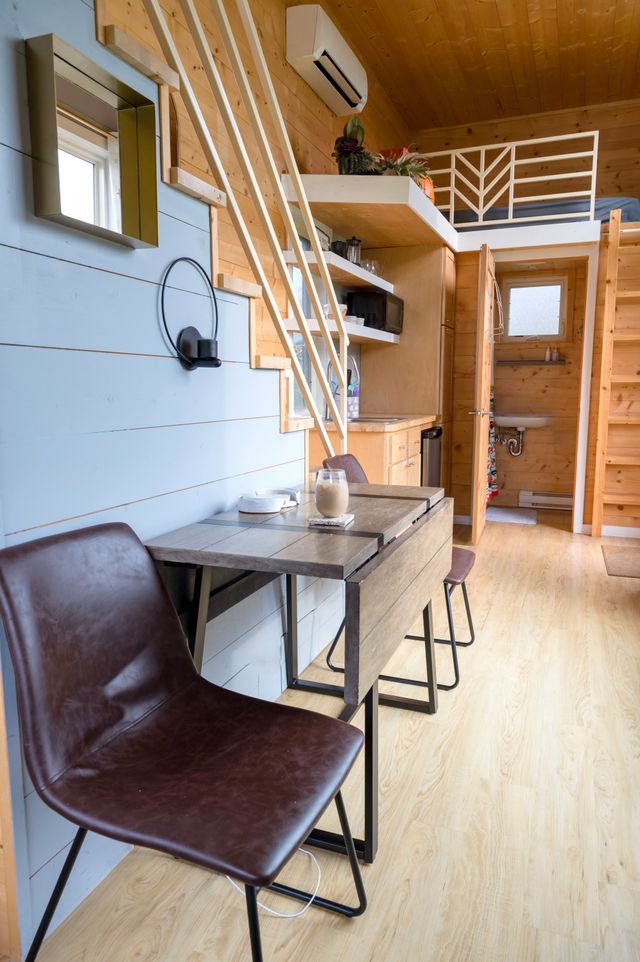
Tiny homes offer an appealing way to simplify life, reduce expenses, and make the most of every square foot. While their compact design can make routine upkeep seem easier, these homes present unique maintenance and inspection challenges that deserve careful attention. Because every system is closely integrated into a limited space, even a minor issue can quickly affect comfort, efficiency, and structural integrity.
Start with the Exterior
The outside of a tiny home provides the first line of defence against the elements. Roofing should be checked regularly for loose fasteners, damaged shingles, or worn sealants around vents and penetrations. Exterior siding should also be inspected for cracks, gaps, or signs of moisture intrusion. In regions that experience heavy rain, snow, or fluctuating temperatures, weather-related wear can develop faster than many homeowners expect.
Pay close attention to the foundation or trailer frame as well. Tiny homes built on trailers should have the frame, hitch, axles, and supports inspected periodically for corrosion, loose hardware, or damage that could affect stability.
Moisture Is the Biggest Threat
One of the most common concerns in a tiny home is excess moisture. Limited interior space means humidity can build quickly from cooking, showering, or everyday living. Without adequate ventilation, condensation may form on windows, walls, or ceilings, creating conditions where mold and mildew can thrive.
Bathroom exhaust fans, kitchen ventilation, and proper airflow throughout the home are essential. Plumbing connections beneath sinks and around water heaters should also be checked routinely for slow leaks that may otherwise go unnoticed until damage has already occurred.
Every Inch Counts
Storage is often built into walls, stairs, and furniture, making it important to inspect hidden spaces from time to time. Items packed tightly against exterior walls can restrict airflow and trap moisture, while concealed areas may hide pest activity or water damage.
Regularly moving stored belongings and looking for staining, musty odors, or signs of insects can help identify problems before they become costly repairs.
Electrical and Mechanical Systems
Tiny homes typically rely on compact electrical, plumbing, and heating systems designed to maximise efficiency. Because these systems often occupy confined spaces, they should be inspected for overheating, loose connections, damaged insulation, or blocked air circulation.
Portable heaters, extension cords, and overloaded outlets deserve special attention. Electrical safety should never be compromised simply because a home is smaller.
Routine Maintenance Pays Off
Preventive maintenance remains the most effective way to protect any home, regardless of size. Cleaning gutters, resealing exterior joints, replacing HVAC filters, testing smoke and carbon monoxide alarms, and inspecting windows and doors for proper weather sealing all contribute to long-term performance.
A tiny home may require fewer materials to maintain, but it benefits just as much from a consistent inspection schedule. Small problems rarely stay small when space is limited. By staying proactive and addressing concerns early, homeowners can preserve efficiency, avoid unnecessary repairs, and enjoy the many advantages that well-maintained tiny living has to offer.
Recent Comments