
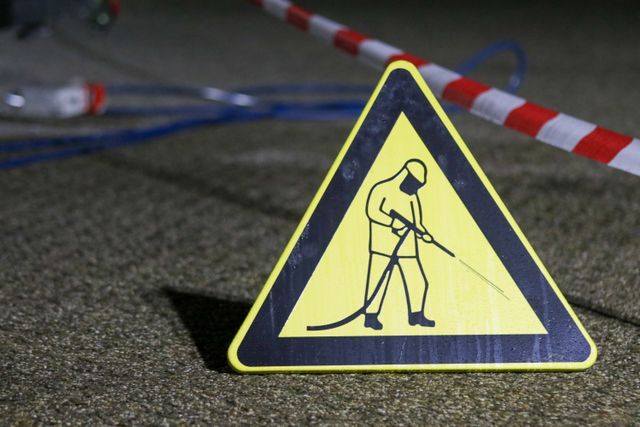
When a home’s exterior, deck, masonry, or other surface looks worn, stained, or covered in old coatings, abrasive blasting can seem like a tempting way to start fresh. It is a powerful cleaning and surface-preparation technique, but it is not a one-size-fits-all solution. Used correctly, it can save time and produce impressive results. Used carelessly, it can damage the very surface being cleaned.
What Is Abrasive Blasting?
Abrasive blasting uses compressed air or another method to propel small particles against a surface at high speed. The abrasive material—such as crushed glass, mineral grit, or other specialized media—works much like sandpaper, only on a much larger scale.
The goal may be to remove old paint, rust, dirt, oxidation, stains, or other unwanted coatings. Different blasting media and pressures can be selected depending on the material being treated.
It is particularly useful when conventional scraping, sanding, or chemical stripping would be slow or impractical.
Where Does It Work Well?
Abrasive blasting can be a good choice for certain durable exterior surfaces and renovation projects. Common applications include:
- Removing old paint or coatings from appropriate masonry or metal surfaces
- Cleaning heavily weathered concrete
- Preparing metal railings, structural components, or other suitable metalwork for refinishing
- Removing stubborn grime, corrosion, or surface buildup
- Preparing some surfaces for a new coating or repair
For older homes, however, the condition and age of the material matter. A surface that looks tough may be more fragile than it appears.
The Pros: Fast and Effective
The biggest advantage is power. Abrasive blasting can cover large areas relatively quickly and reach textured surfaces, joints, and difficult spots that are tedious to clean by hand.
It can also provide excellent surface preparation. Removing loose coatings and contaminants can help a new finish adhere properly.
Another benefit is flexibility. Professionals can adjust the abrasive material, equipment, and pressure for different applications.
The Cons: Too Much Power Can Cause Trouble
The same force that makes abrasive blasting effective can also cause damage. Excessive pressure or an unsuitable abrasive may erode masonry, scar wood, damage delicate surfaces, or remove more material than intended.
There is also dust and debris to consider. Proper containment and protective equipment are important, particularly around occupied homes, windows, landscaping, and neighboring properties.
Lead-based paint is another major concern in older homes. Blasting painted surfaces can create hazardous dust and requires appropriate precautions and compliance with applicable regulations.
The Bottom Line
Abrasive blasting can be an excellent tool when the surface, blasting media, pressure, and project goals are properly matched. It is best viewed as specialized surface preparation rather than simply a faster form of pressure washing.
For homeowners, the practical approach is simple: identify the material first, determine what needs to be removed, and make sure the method will not damage the underlying surface. When there is any doubt—especially with an older home—having a qualified professional evaluate the surface before blasting can prevent an expensive cleanup from becoming an even more expensive repair.
Recent Comments